Candy Tree: A Modern Script Font for Creative Projects
There’s something oddly satisfying about starting a new brand board with a blank canvas. I was recently working on a boutique identity project—a cozy, handcrafted candle shop with a warm, inviting vibe—and I needed a font that could capture the essence of creativity and charm. That’s when I stumbled upon Candy Tree, a modern script font from Script Amp. It didn’t take long to realize this typeface had a unique personality that felt right at home in the world of craft projects and holiday designs.
A Touch of Elegance in Every Curve
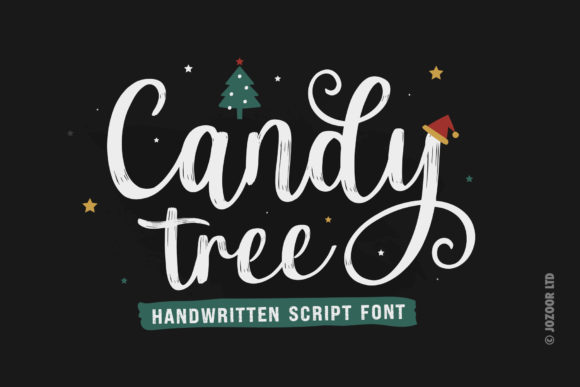
Candy Tree is more than just a script font—it’s a visual experience. Its flowing curves and subtle variations give it an organic feel, almost like handwriting but with a refined edge. The characters are not too ornate, which makes them versatile for both decorative and functional use. When I first tested it on a logo concept for the candle shop, I noticed how it added a sense of warmth and approachability without overwhelming the design.
The font has a soft, playful energy that’s perfect for festive occasions like Christmas or wedding invitations. It also works well in more everyday branding scenarios, such as farmhouse decor or packaging mockups. What stood out most was how it maintained readability even in smaller sizes, which is a big plus for business cards and social media graphics.
Testing Candy Tree in Real Branding Scenarios
I used Candy Tree across several elements of the candle shop’s brand identity. On the logo draft, it paired beautifully with a clean sans serif font for balance. In the brand board, it helped create a cohesive look across color palettes, textures, and patterns. When I placed it on a product label mockup, it felt natural and aligned with the handmade aesthetic of the brand.
On the website header, the font made a strong first impression. It wasn’t too flashy, but it still had enough character to draw attention. For Instagram posts, I used it in short phrases and taglines, where its decorative flair really shone through. However, I did notice that using it for long paragraphs or body text wasn’t ideal. It’s best suited as a display or headline font rather than for large blocks of copy.
Font Pairing and Practical Considerations
When it comes to font pairing, Candy Tree plays well with a variety of styles. I found that combining it with a simple sans serif like Montserrat or a classic serif like Playfair Display created a nice contrast. This combination worked especially well for print materials and digital banners, giving the design a polished yet friendly appearance.
If you’re considering using Candy Tree in your own projects, be sure to check the commercial licensing terms. As with any premium font, it’s important to ensure you have the right permissions for use in client work, templates, merchandise, or websites. Also, testing the font in different contexts—like on a shop sign or a printed card—is crucial before finalizing any design.
Where Candy Tree Shines and Where It Might Fall Short
Candy Tree is a fantastic choice for projects that require a touch of whimsy and elegance. It excels in areas like holiday designs, wedding invitations, SVG files, and creative studio identities. Its versatility makes it a go-to option for designers looking to add a personal, artisanal feel to their work.
However, it may not be the best fit for formal corporate use or situations where strict readability is required. It’s not designed for long-form content or very small text sizes, so it’s best used sparingly and strategically. Think of it as an accent or supporting typeface rather than a primary one for body text.
In summary, Candy Tree is a modern script font that brings a unique blend of charm and professionalism to a wide range of creative projects. Whether you're designing for a holiday event, crafting a brand identity, or creating eye-catching social media content, this font has the potential to elevate your work. Just remember to test it thoroughly and pair it wisely for the best results.