Arabica Coffee Font for Handmade Creations
I was designing a candle label one afternoon, and the words "Sweet Dreams" felt too plain. I needed something that would make the label feel special, like it belonged on a boutique product. That’s when I found Arabica Coffee, a script typeface with a soft elegance that made my heart skip a beat.
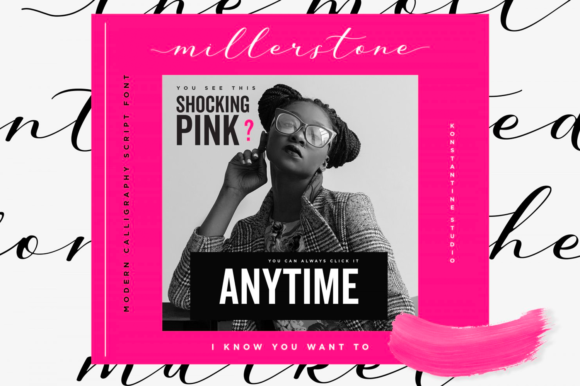
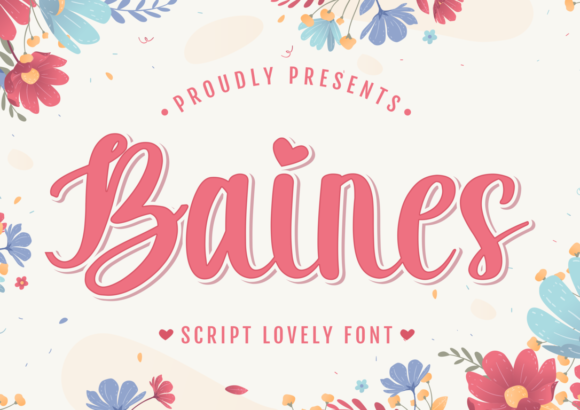
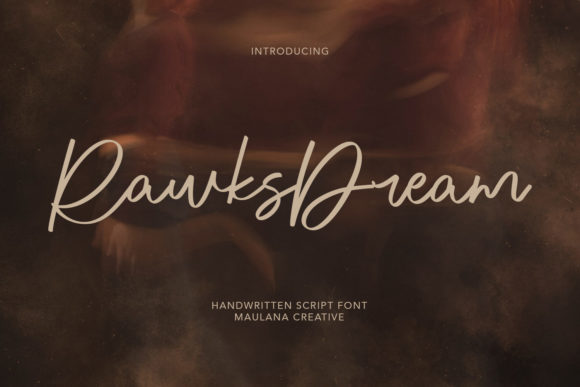
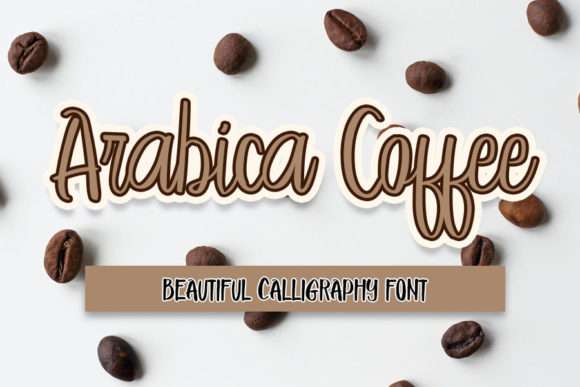
Arabica Coffee is more than just a font—it's a style of storytelling. Its characters dance along the baseline with a casual grace, as if they were written by hand in a quiet moment. It has a warm, inviting personality that feels both elegant and approachable. This makes it perfect for anything from wedding invitations to boutique packaging.
One of the first things I noticed about Arabica Coffee was how beautifully it paired with clean sans serif fonts. I used it for the main text on a set of greeting cards and paired it with Helvetica for the address block. The contrast made the design feel balanced yet creative. For digital printables, I often use it with a simple serif font for headers, which adds a touch of sophistication without overwhelming the layout.
When I started testing stickers using Arabica Coffee, I realized how well it worked for short phrases and names. It's ideal for product labels, boutique tags, or even mug designs. The font’s charm comes through clearly, even at small sizes, making it great for cutting machines and sticker sheets.
I’ve used Arabica Coffee for a variety of handmade projects. On a recent order of planner pages, I used it for decorative headings and journal prompts. The font gave the pages a personal, handwritten feel that resonated with customers. For a seasonal product line, I designed holiday tags with Arabica Coffee, pairing it with a bold display font for the holiday name. The result was a cohesive look that felt both festive and refined.
When working with physical products, readability is key. I always test how Arabica Coffee looks on different materials—paper, vinyl, fabric—and ensure that the font remains legible at various sizes. For smaller items like labels or stickers, I avoid overly intricate ligatures and swashes, keeping the design clean and easy to read.
Arabica Coffee also works well in digital formats. I've used it for mockup previews and listing images on online marketplaces. The font’s visual appeal translates well to screens, helping to create an attractive presentation that draws in potential buyers.
For those looking to use Arabica Coffee in commercial projects, it's important to check the included styles, alternates, and file formats. I always verify that the font supports multilingual characters and that the licensing allows for use in physical products, templates, or digital downloads. This ensures that every project I create with Arabica Coffee meets the highest standards of quality and professionalism.
One of my favorite uses for Arabica Coffee has been in wedding stationery. I designed a welcome board with the font, and the soft, flowing lines added a romantic touch that the couple loved. It also worked well for signage at a small boutique, where it helped reinforce the brand's identity with a consistent and appealing look.
Whether you're creating handmade goods, digital printables, or branding materials, Arabica Coffee offers a versatile and stylish option. Its ability to blend elegance with approachability makes it a go-to choice for any creative project that needs a little extra flair.
As I continue to explore new ways to use Arabica Coffee, I find myself returning to it again and again. It's a font that feels like a trusted companion in the creative process—one that helps bring ideas to life with a unique and charming touch.